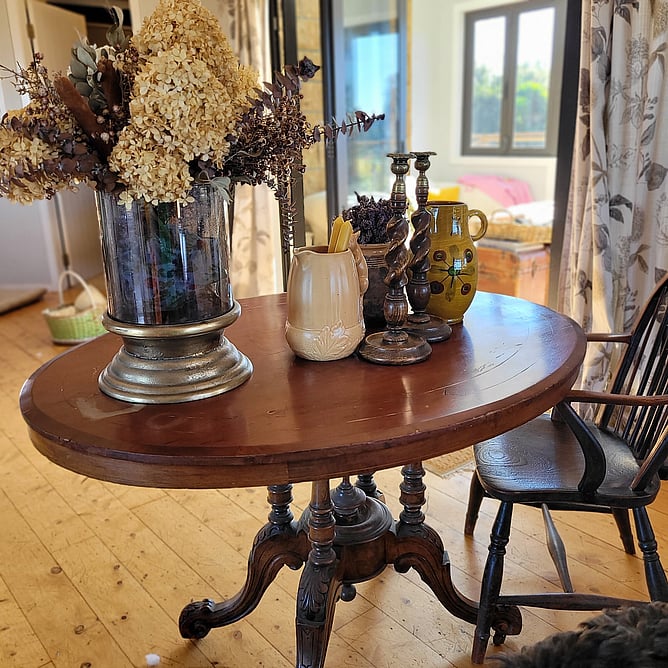
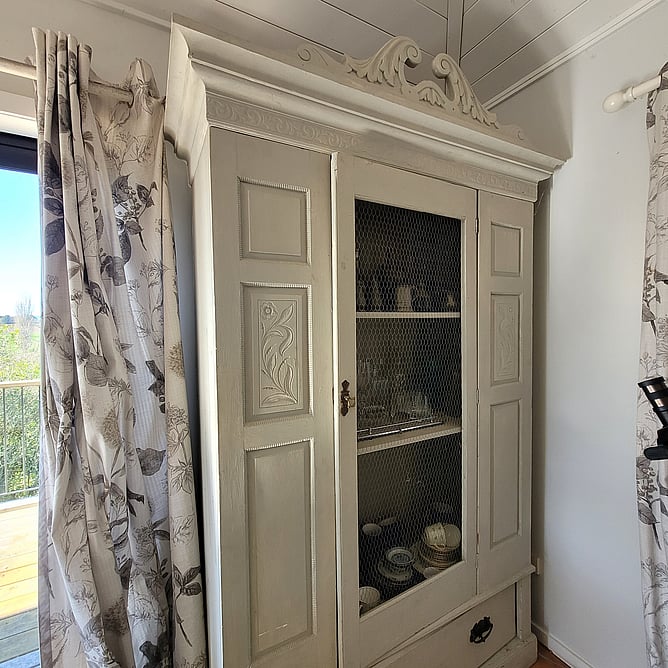
Some pieces of furniture beg for a new lease on life while others are simply meant to be left as they are.
Working in home décor since 2022, I have learnt that not every vintage find needs a makeover. Sometimes, the best choice is to appreciate the charm that comes with the gentle knocks and scrapes of age. Other times, there is real joy in rolling up the sleeves and turning an unloved item into a showstopper. Knowing when to upcycle or step back is an art, not a strict formula. In this blog post, I’ll share inspiration and practical guidance to help make thoughtful choices, whether browsing a local market or hunting through dusty corners for hidden treasures.
Spotting hidden promise in vintage finds
When coming across a weathered chair or a battered table, the first step is to look beyond surface wear. Not every stain, dent or scratch means a piece is past its prime. Many strong, well-made items have solid bones—especially classic timbers like oak, mahogany, or rimu. These materials take well to sanding, painting, or polishing, and often reward a bit of elbow grease.
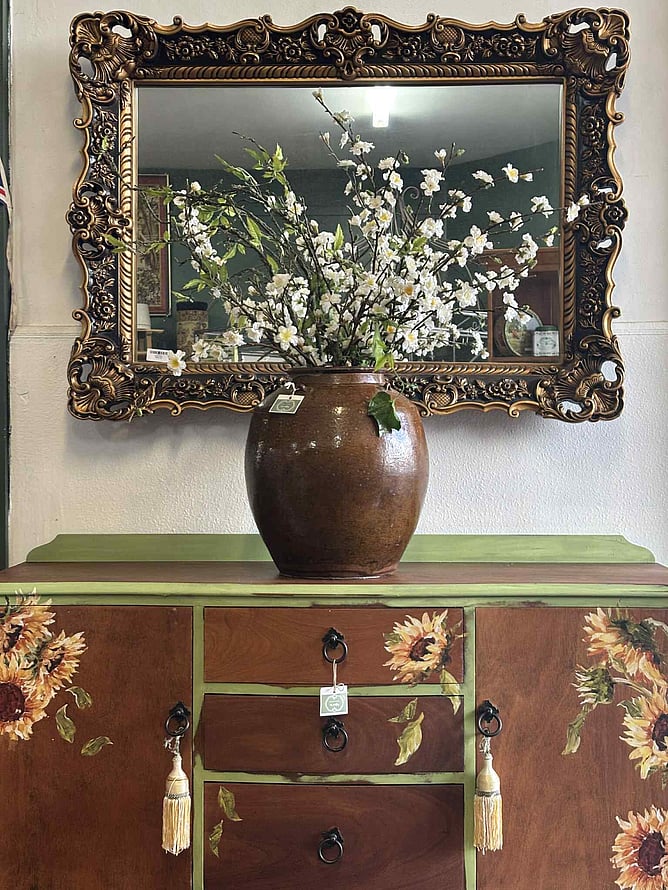
Sometimes a forgotten dresser simply needs:
New handles and hardware
A lick of paint in a cheerful colour
Minor repairs to wobbly legs or loose joints
Ask yourself:
Is this item structurally sound?
Could a small fix make a big difference?
Does it have quirks worth preserving?
Upcycling isn’t just about making something look new—it’s about celebrating age and giving a timeworn piece a future. If the answer to any of these questions is yes, the object might be ready for an upgrade and an exciting story in your home.
Respecting the story and value of antiques
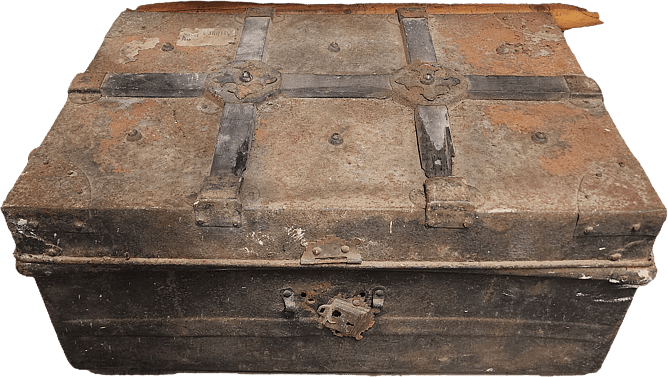
Certain pieces have tales that stretch back generations. If you stumble across something with genuine historical interest or rare design features, pause before reaching for paint or sandpaper. Furniture from eras like Victorian, Edwardian, or pieces crafted by well-known makers can sometimes lose value if altered. Sometimes the original finish, faded or marked, is exactly what makes the item special.
To decide if a piece is best left untouched, consider:
Makers' marks, signatures, or stamps
Unusual joinery or hand-carved details
Patinas that have built up over years
It’s often best to clean gently and repair sensitively, letting the history shine through. Keeping certain items as they are can add layers of authenticity to your home that a modern reproduction simply can’t match.
Trusting your intuition and personal style
When it comes to furniture decisions, the heart often knows best. Sometimes, a colour or pattern pops into your mind and you just know a piece would sparkle with a quick transformation. At other times, you might feel drawn to keep things just as they were found, letting the unique history and honest wear speak for itself.
I draw inspiration from my "housey" books or from magazines or even watching historical television and films- Bridgerton anyone? I love to get ideas from old houses and see how things have been passed down through the ages, that sparks something for me and off I go!
Your home should reflect your tastes and needs. Mine certainly does. I have an eclectic mix of old pieces, cycled piece, some are left and some are painted.
If you’re aiming for a relaxed English country look—or something more colourful and playful—trust that your instinct will lead you in the right direction. In the end, every upcycled or untouched find adds character and warmth, giving each corner its own story to tell.